chronically ill and revolutionary af
The revolution will value people ‘to each their own ability and skillsets.’1 Revolution will require Disabled people. Disabled and chronically ill people are already within our movements, we always have been and we always will be. I’ve recently seen a lot of ableist narratives within social movements and frequently experience a lack of empathy or understanding for my own chronic illness.
Myalgic Encepholamyalitis (ME/CFS)2 (reluctantly referred to sometimes as chronic fatigue syndrome) is a fairly rare neuroimmune disorder, approximately 2% of the world population has it3, that causes significant decline in quality of life. I was diagnosed with ME and fibromyalgia in 2021, about a year after contracting COVID-19. For me, this causes severe bouts of fatigue where I cannot stay awake, brain fog, memory lapse, and chronic pain with mobility challenges. I’m mostly homebound these days and typically only have energy in the mornings for a few hours before retreating to my bed. When I do push through, I’m often met with a flare up that causes me to be in bed, asleep, for a full 24 hours. I can understand why it has been difficult to find a revolutionary with the same or even similar disease. It is challenging enough to live a full life with ME or fibro, being revolutionary with a neuroimmune disease is another level. But we do it and people have done it because the struggle calls us to.
In episode 9, Tameka and I chose a handful of revolutionary people with disabilities, including someone with a disability similar to our own. I was inspired to confirm that Fidel Castro did indeed have ME/CFS later on in his life. I only knew a handful of people, even celebrities, with a disease even similar to mine at the time. This is why I chose him as the Disabled revolutionary I would highlight in the episode. But quickly after releasing it, a comrade called me in and shared how Fidel had been harmful to women in his personal life. I regretted highlighting Fidel in this way after learning about his affairs as someone who recently experienced infidelity and abusive manipulation by an ex. While I believe this goes to show that we are all full humans that make bad choices, even the revolutionaries we admire, I went on a search for other rebels with a neuroimmune disease the same or similar to mine - here’s what I found!
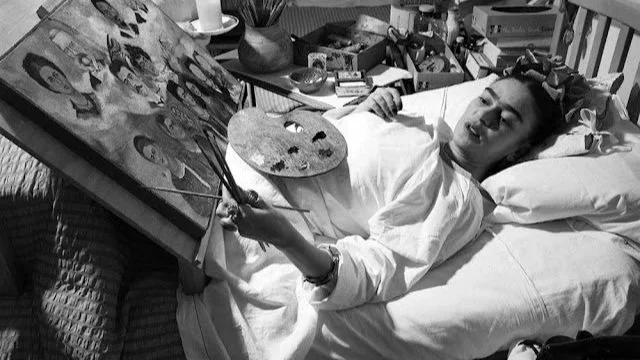
Frida Kahlo revolutionized art from bed
Frida Kahlo (1907-1954) was a Mexican artist who lived with chronic pain most of her life. She is well-known for her self-potraits that beautifully exemplify physical and emotional pain4. She was born with spina bifida, developed poliomyelitis at age 6, and in her late teens, she was in a serious bus accident that caused a steel handrail to pierce through her hip. She began painting during her accident recovery and radically transformed the art scene. When Frida received her first solo exhibition in 1953, she was bedbound and arrived by ambulance to the opening, mingling with guests from a bed set up in the gallery.5
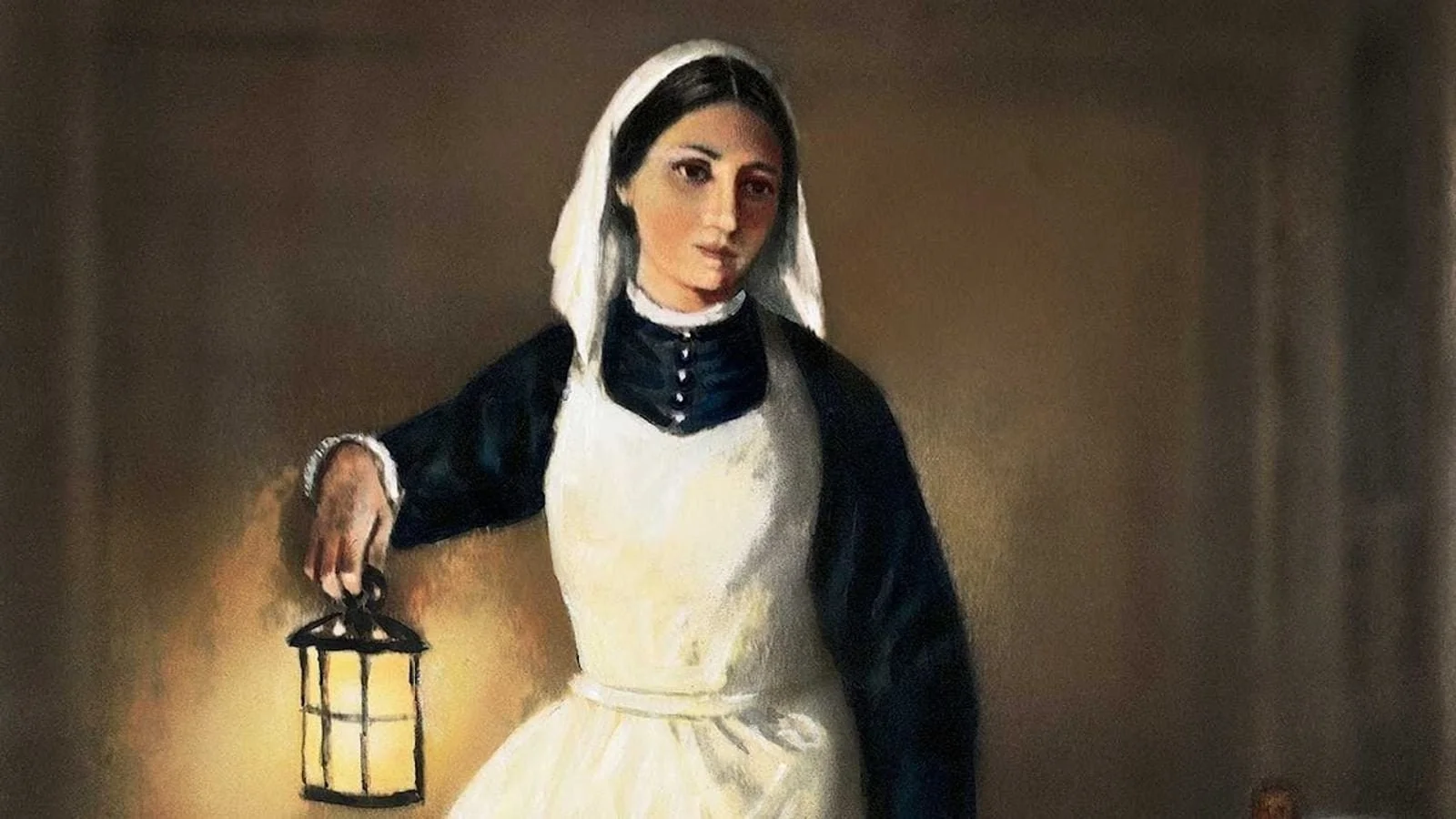
Florence Nightingale was fatigued and invented modern nursing
Florence Nightingale (1820-1910), also known as ‘The Lady of the Lamp’ was a British nurse who invented modern nursing and radically transformed bedside healthcare and biostatistics.6 By the 1850s, Florence was described to have poor health which point to ME/CFS and is adopted in the world of under-studied diseases.7
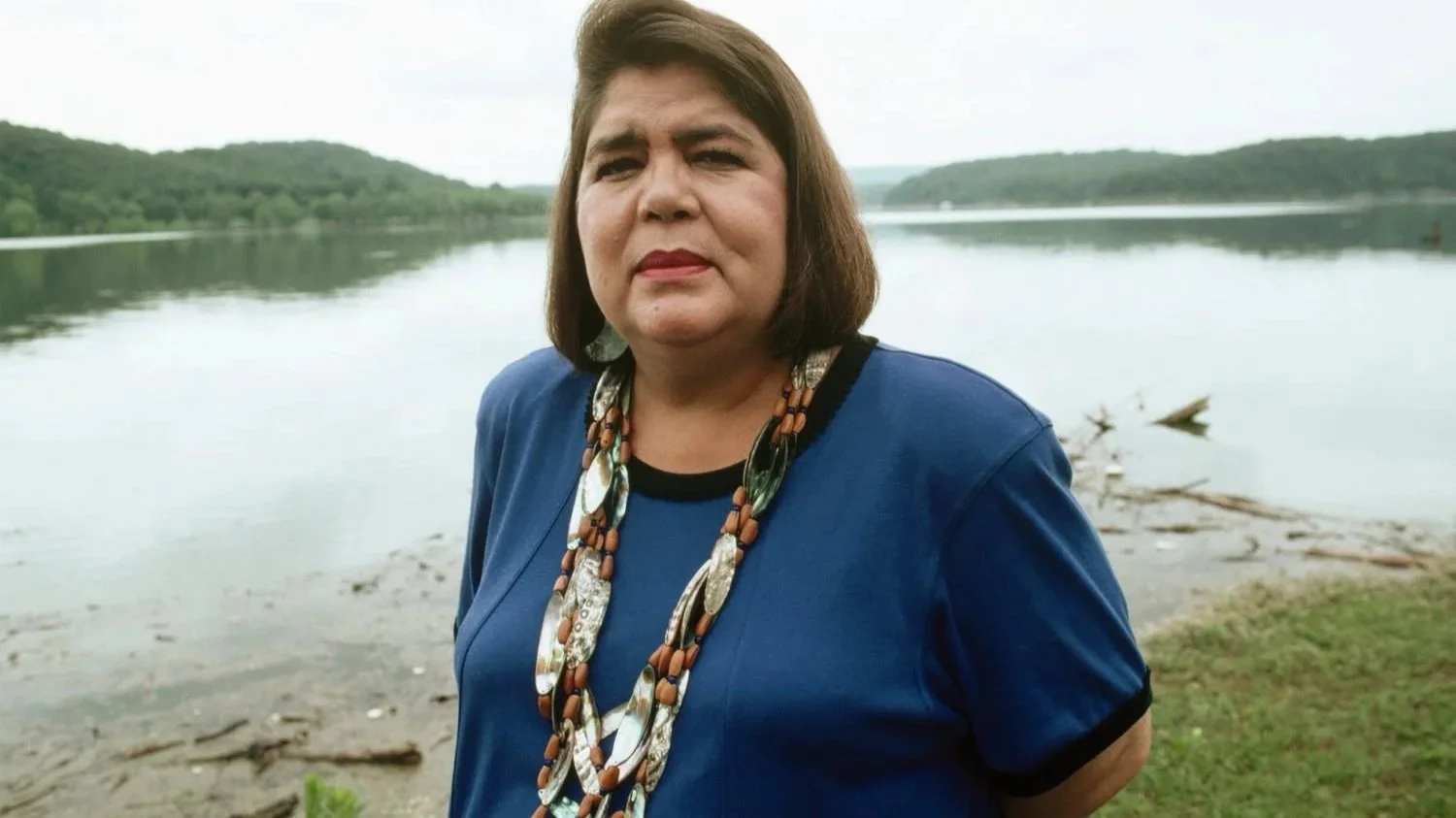
Wilma Mankiller led the Cherokee Nation with myasthenia gravis
Wilma Mankiller (1945-2010) was elected as the first woman to be the Chief of the Cherokee Nation in 1985. Wilma was inspired by witnessing first hand as a child of the revolutionary mass action by Native Americans of reclaiming Alcatraz Island in San Fransisco.8 During her decade as Principal Chief infant mortality rates declined and educational attainment improved within the Sovereign nation.9 After a horrible car accident in 1979, Wilma developed a muscular disease called myasthenia gravis.10
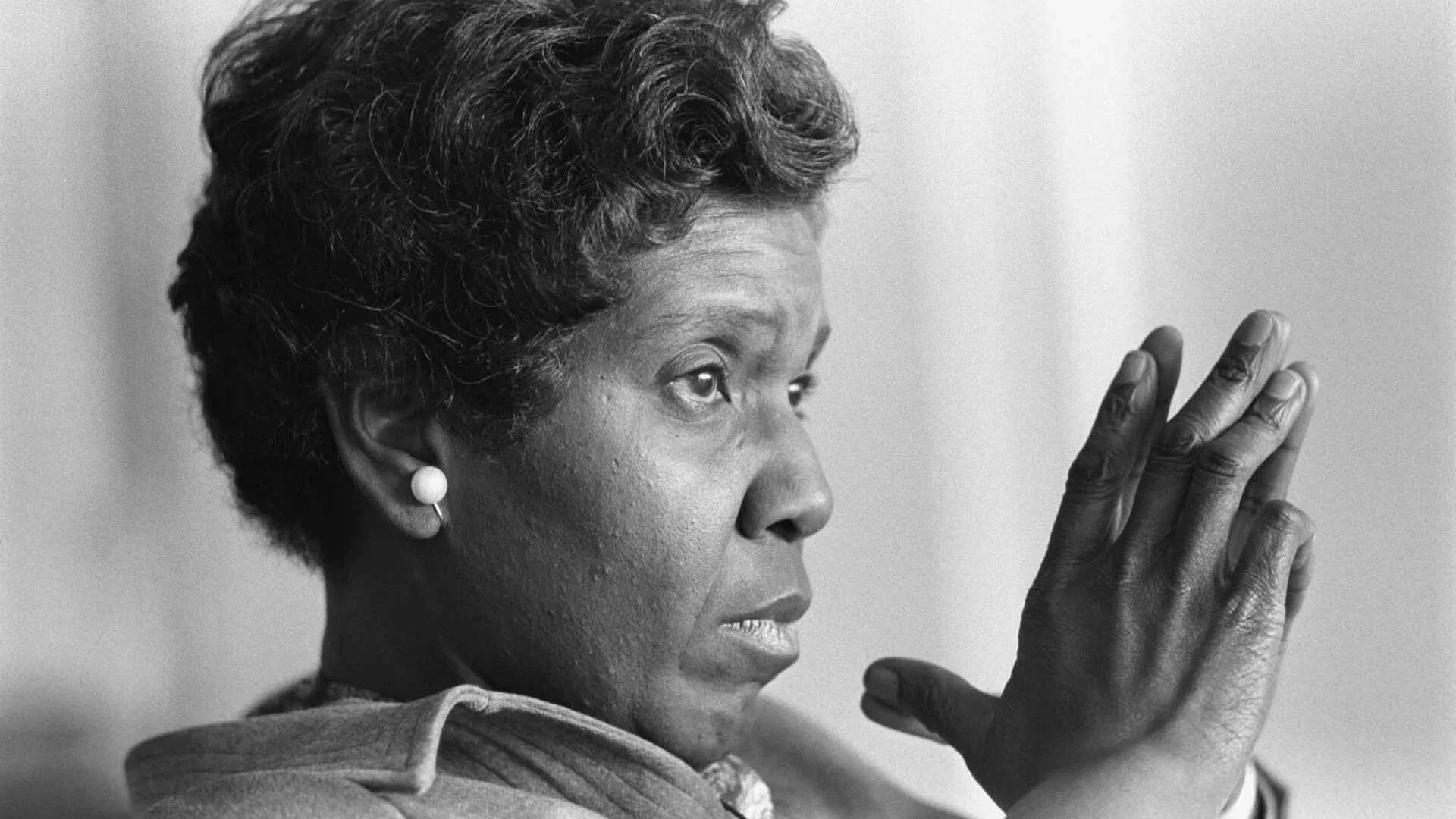
Barbara Jordan delivered a keynote speech in a wheelchair
Barbara Jordan (1936-1996) was one of the first African Americans to be elected to the US House of Representatives in 1972. She was the first African American woman to deliver a keynote speech at the Democratic National Convention in 1976.11 Barbara was diagnosed with multiple sclerosis in 1973 and used a wheelchair later in her life, including during a keynote speech at the DNC in 1992.12
disability in social movements
And there are so many other Disabled revolutionaries. Disability is all encompassing and it is more likely than not that every single liberation movement across the earth included/includes someone with a Disability/chronic illness. But, neuroimmune diseases are often dismissed everywhere. We need to fight for the medical industry to believe our symptoms and lately it seems we need to fight for the social movements we invest our lives in to recognize, accommodate, or support us.
Revolution requires Disabled and chronically ill folks, especially in times of mass disabling events13 (ie the ongoing Palestinian genocide or COVID-19 pandemic). Disabled peoples account for over 16% of the world population14 (which seems really low). If you’re in a movement space with 100 people, it’s likely that at least 16 of your comrades are Disabled. And as we witness more mass disabling events like war, genocide, ecocide, etc. we will see this number rise. The revolution will require Disabled people at one point or another, either include us now or wait for another mass-disabling event, you’re going to need us.
If your movement doesn’t include us, it is at a disadvantage. We are resilient af. Strong af. Brave, intelligent, cunning, strategic, and most importantly, adaptable. We are already a movement of our own (ie Disability Justice movement15). Revolution requires us to adapt our current way of life to destroy what is harmful and build what is helpful, why not learn from the masters of adaptability? Disabled people are a valuable asset to revolution. We either adapt to a world not built for us or we die. The revolution will either adapt to recognize this or it will die too.
Note: unless you have a neuroimmune disease and found something that works for you, please refrain from sharing advice, thank you xo.
https://www.cdc.gov/nchs/products/databriefs/db488.htm?utm_source=chatgpt.com
https://www.nam.ac.uk/explore/florence-nightingale-lady-lamp
https://www.womenshistory.org/education-resources/biographies/wilma-mankiller
https://www.notablebiographies.com/Lo-Ma/Mankiller-Wilma.html
https://www.findmecure.com/blog/7-famous-people-with-myasthenia-gravis/
https://www.womenshistory.org/education-resources/biographies/barbara-jordan
https://www.who.int/news-room/fact-sheets/detail/disability-and-health
https://disabilityphilanthropy.org/resource/what-is-disability-justice/
