raising revolutionaries
March 13, 2026
In this episode of Radicals for Good, we discuss raising the next generation of revolutionaries with Alia Harvey-Quinn, the founder of FORCE Detroit and a daughter of Black Panther Party members.
We prefer you didn’t but if you must, listen on:
Who’s in this episode?
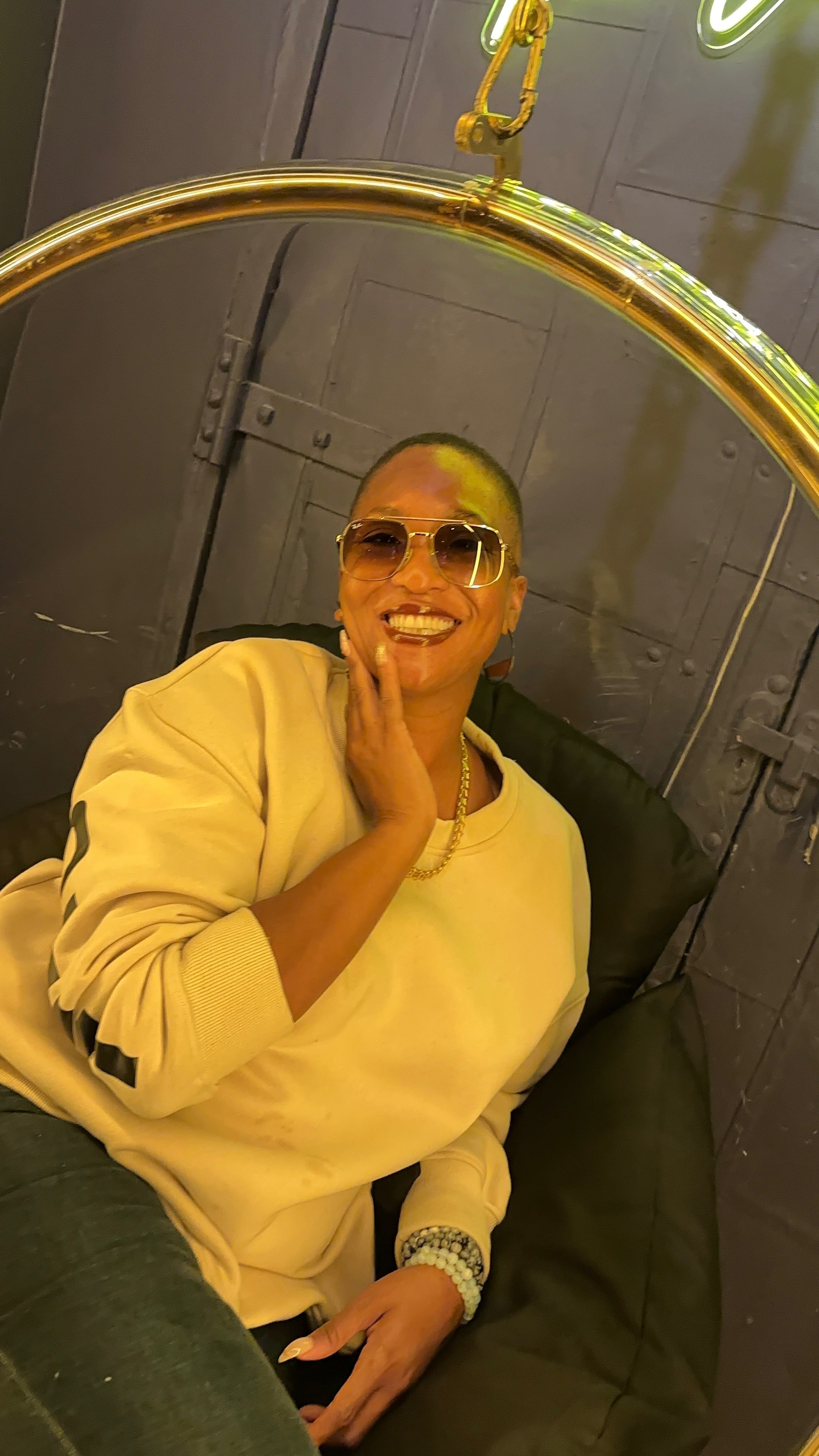
Alia Harvey-Quinn
Founder of FORCE Detroit
Alia is the daughter of Black Panthers, her calling into the world of activism, leadership and community-building was always in her DNA but was emboldened by organizing with youth who were dealing with issues of criminalization and violence. Her commitment to building a freer, safer Detroit is both ancestral and unwavering. Alia is the founder of FORCE Detroit, a widely-recognized and well-respected community organization, shedding light locally and nationwide on the solutions to gun violence, with a primary focus on Community Violence Intervention (CVI).
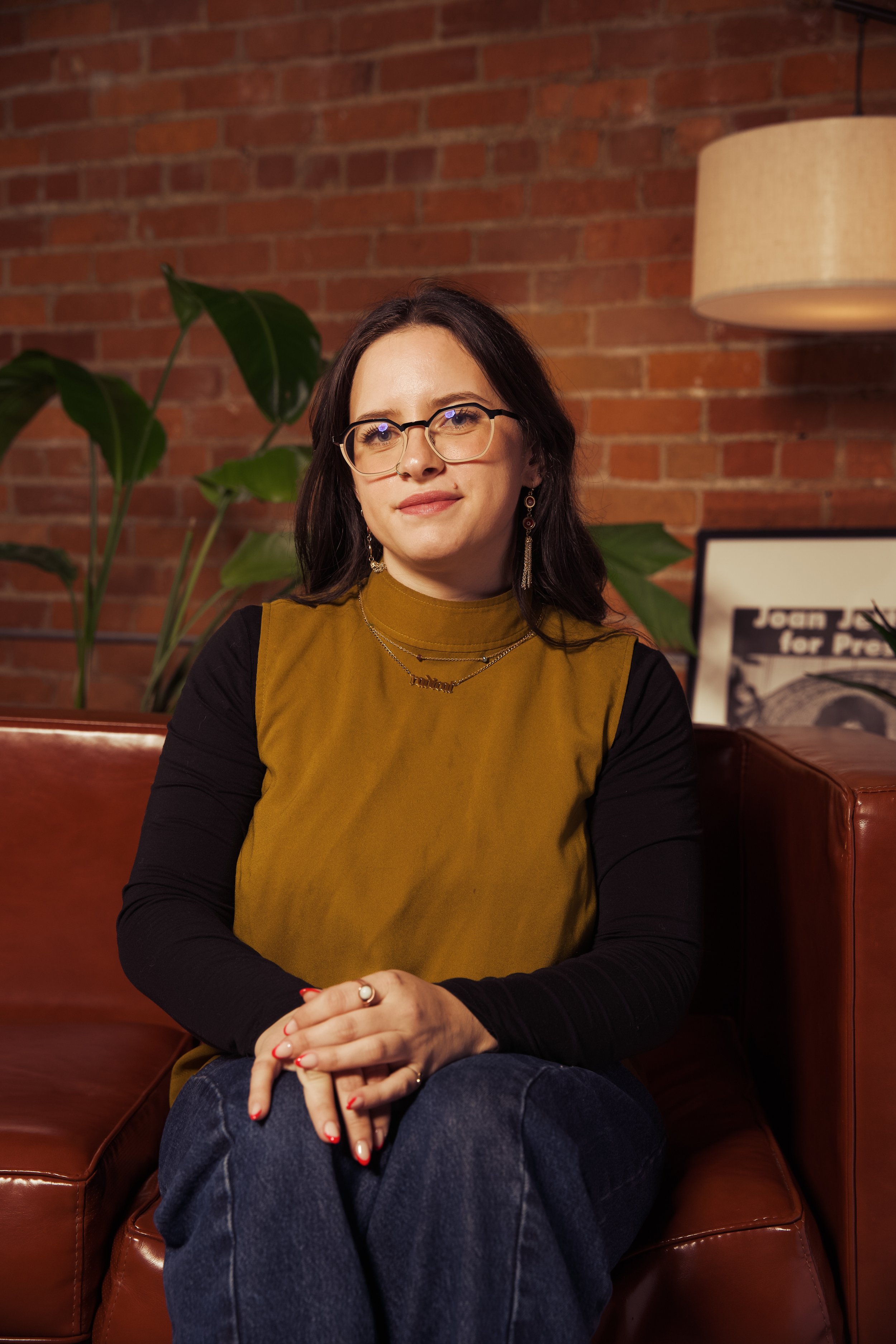
Shayla Zimmerman
Host, Producer
Shay is a Detroit-based community organizer, storyteller, and activist whose work centers community power, collective care, and everyday acts of resistance. From leading regional climate resilience and water justice initiatives to building grassroots emergency response efforts on Detroit’s East Side, she uses her platform to amplify grassroots voices.
full episode transcript
Shay: hey what up doe. I'm your host shay and welcome to radicals for good, a podcast about the quiet revolutions unfolding around us. We're here at thirteen oh one studios, a community space for radical creatives, coffee, and conversations. Sending so much gratitude to them for letting us use their space for our conversation today. Radicals for good is recorded on waawiiyaatanong the lands of the Anishinaabe peoples whose resistance and resilience continues today Detroit liberation is rooted in Black labor, Indigenous survival, and community love and protection. We acknowledge those whose resistance made and make our city possible.
In this episode of radicals for good we're going to discuss how we can go about raising the next generation of revolutionaries and also talk about the different lessons learned about change making doing change making work. I'm here with Alia Harvey-Quinn. Alia is the daughter of black panthers, her calling into the world of activism leadership and community building was always in her DNA but was emboldened by organizing with youth who were dealing with issues of criminalization and violence. Her commitment to building a freer, safer Detroit is both ancestral and unwavering. Alia is the founder of force detroit, under her leadership force detroit has established itself as a widely recognized and well respected community organization shedding light locally and nationwide on the solution to gun violence with a primary focus on community violence intervention, also known as cvi. FORCE detroit led advocacy for cvi adoption throughout the state of Michigan and led the team that drove the reduction in violence in detroit's cody rouge neighborhood. Thank you so much for being here Alia, I'm so happy that you're here.
Alia: Yeah, thank you for having me.
Shay: So something like immediately stands out about your bio which is it's you have this unwavering ancestral commitment to a freer and safer Detroit. What does that mean and how has that looked throughout your life?
Alia: So both of my parents are former civil rights era black panthers I grew up in the eighties so i was not present during the time that they were active in the civil rights era but i was raised with a set of values and a lens that became very very powerful in my adult life and so i've always worked in the non profit field and when it came time to make you know decisions that where i needed to care for a community those values just stood up and rose up in me. I was just unable to address my work as if it was just a job. So that's what it looks like it looks like a commitment to showing up with my heart it looks like a commitment to loving on community and finding solutions and care.
Shay: you mentioned that your parents were black panthers and they had like a heavy influence on you do you want to talk about your parents a little bit and and share a little bit more about your childhood, growing up so my dad was incarcerated for twenty seven years and so he spent the bulk of my childhood behind the wall and that was really really hard on us. My mom, who is just a badass hmm she is legally blind but also a vietnam era vet also all but her dissertation like she's achieved the highest, some of the highest levels of education possible except for finishing her dissertation just a brilliant resilient woman. she didn't outright teach us like sit us down and and teach us the black panther platform she modeled it. and so we watched her feed our elder neighbors knock on their doors to make sure that they were okay take in our friends who were in unsafe situations like if they had run away or something my mom would take them in. there was just like a kind an extraordinary kindness that was also militaristic right it was kindness but it was not sappy it was not without its strength it was very very strong.
Shay: what is that what did that strength look like cause i'm hearing like there's a lot of strength i think in taking care of community especially if you're if you're feeding elders, you're raising children that become revolutionaries you're doing all of these things also while she's like in school and just yeah being a badass honestly. where's the strength because i hear discipline but maybe not everyone hears that.
Alia: yeah so there was discipline but we also like lived in this house full of guns and we knew not to touch them right like we knew we had been explicitly instructed to not play with them and then i think my mom is a victim of abuse and between my father's absence and whatever sort of skirmishes that he had in the streets. I think we lived a very quiet life and she was intentionally sort of hiding i see so she didn't go about her professional life. My mom is a counselor. She's taught classes, taught at many universities so she didn't go about her sort of professional life fully sharing all of who she was. She sort of existed in a very subversive way, she would translate the ideas in ways that were deeply culturally relevant but not share these ideas like her way of resisting the status quo and protecting us was to at once excel and simultaneously like sheave her identity so that we weren't targets and she survived all this time without my father. In a in deep poverty there were times when we struggled a lot and then there were times where we had learned to prosper mostly because she invested in her own educational backgroundjust a brilliant resilient beautifully nurturing woman. Everything that I've achieved, I was trying to be like my mama.
Shay: yeah and you have siblings right?
Alia: i do i have two younger sisters
Shay: i'm also an an eldest daughter too
Alia: there's trauma i'm sorry that happened to you hahaha
Shay: Um yeah for sure but it's also it's a blessing you know it's a blessing i think like also we're talking about raising like a next generation of revolutionaries right it's also about being an older sister too.
Alia: I mean it depends on the age gap right, i think what i did with my sisters was have water fights and sneak candy like i was not inventing revolutionary values into my, we were very much so outside of the club and somebody thought we were punks and then we would never be scared like that was our child. My youngest sister is five years younger than me okay so they were definitely my we don't have a large age gap.
Shay: And you have children of your own now
Alia: i do right, i have three children okay
Shay: beautiful beautiful. how do you go about raising your children and what are you like pulling out as revolutionary that maybe you were raised in or not raised in like what stands out to you raising your own kids?
Alia: This shouldn't be revolutionary but i think the biggest thing that i try to get my children to do is to not disengage their minds. Don't take instruction without thinking about what you're being told ok don't just passively accept ideas, wrestle with them, think about whether or not those ideas fit your context, ask questions. It is really really sad to see how much trouble they get into with other adults and in school because I ask my children to think and even when they get in trouble at home I'm talking to them through the experience. it's like hey i've said this to you i've said that to you, i've said this to you, how do i need to communicate so that you listen to me and you choose a different outcome because i don't want the punishments to escalate and so then it becomes like let's think through this and i want you to hear what i want to happen on the other side of this punishment this is not an exertion of authority this is me trying to correct a behavior in a proactive way that i hope the world doesn't correct in a negative way.
Shay: so that's very revolutionary though right, yeah do you feel like um you're kind of like working with the external world a little bit in that or working against it?
Alia: Very much so against yeah. My children are all the time in trouble because they ask questions because they had a thought and they shared it. One of my kids had an African American history class. They were talking about an incident that was super particular to like my father was in Chicago in the Fred Hampton house when it was raided by police and in her class they said everybody died in that incident and her grandfather is very much so alive. um so she raised her hand and she said everybody didn't die and then she got like checked put in her place all this stuff by her teacher right, it's like no you have some expertise you have something of value to add. I want our children all children to have the dignity of feeling like their voice has value in situations where they do have some expertise even if they're still learning they have something to share something to contribute something of value to add. That's very much so against the grain.
Shay: yeah absolutely i can imagine like, well i know as someone who also embodies that we need to speak truth at all times right it can be really hard because you're often labeled as like a disruptor, as a challenger. So I can imagine as being a young person doing that. I can hear like you're bringing in your mom that nurturing part of your mom right, you just said i wanna be exact i wanted to be like my mom. So how do you nurture them through that?
Alia: I make them aware of the context that we're in, right, it sucks that you using your mind is a challenge to people let's think about how we can phrase things let's think about our body language how you could have handled the situation such that your wisdom was accepted like you could have pulled her aside. She might have felt like you raising your hand and saying what you said in front of all the class going directly against her was an inappropriate authority challenge instead of you asking adding a piece of information.
Shay: but like still encouraging them to speak their mind and speak their truth right ,sounds like there's a balance there.
Alia: But also not sometimes speaking your truth is not helpful right like yeah like it might be true that somebody's breath stinks. Unless you're gonna provide them with some toothpaste, a toothbrush right, a sink in this very moment, that's not a helpful truth, it doesn't move anything forward. you could give them a piece of gum rather than there's a commitment to engaging the mind voraciously and there needs to be a commitment to loving on community and speaking truth with love.
Shay: yes and care. If you were to like give advice to parents that might be listening to our podcast especially in these times of like heavy oppression right, what advice would you give them?
Alia: gosh let me just say this the space that we are in is just so ugly and it's so ugly because there's such a pervasive divisiveness. It's almost like there's a handful of us that feel like we're together whoever that us is for you yeah right yeah and then you feel like you're against the whole world people who don't look phenotypically the same and people who do look phenotypically the same but don't have the same set of values or aren't in your inner circle or whatever. When there are gaps in relationship uh and those gaps escalate to you know life or death instances like we deal with at force but also like this broad swath of political violence that we are watching cover our country the key is just always to have a conversation that challenges a stereotype, it is it is always to be brave. now i don't know i think there are some communities that are more fragile than others and they can choose to engage somebody else's bravery but i don't think we should be asking for instance Latino people to be brave with ice because there's a risk there's a risk there a huge risk and so it it it takes bravery of folks that um maybe not might not be as at risk absolutely to to create that bridge and so there are there's work for allies right when that bridge is created i do think we should show up to it but i i think we should be sort of vigilant to not be trapped trust has to be earned and that earning process is a slow over time thing yeah absolutely and i'm hearing a little bit about like it when in your response like a little bit of black panther's teaching right
Shay: Absolutely can you tell, I don't know, just like give me like a glimpse into your brain really quick. I'm like okay i'm thinking this about the ice situation what where what are you pulling from? Also, can you explain a little bit more about like what the black panthers are?
Alia: yeah so the black panthers as they existed in my parents era because we ain't gonna act like this is all the same. so the black panthers as they existed in my parents era were a political party that held a body of revolutionary beliefs around moving our community forward yeah some of their beliefs were militaristic in nature just that we wouldn't be slaughtered without there being resistance and some of them were sort of deeply humane like launching the breakfast program that the government then absorbed they also created the universal patients code of rights right. like deeply beautifully human folks.
Shay: i love that i love that word like deeply beautifully human yeah yeah
Alia: and it's like because they ventured to have dignity adjacent to their humanity and because they weren't willing to be slaughtered right they've been demonized in our history but they were just feeding folks, just launching programs, just trying to create laws and systems, and policies that worked for people in general. Everybody benefited from their work and still do to your point about the break the free breakfast program right the universal patients all the right yeah so to answer your question about what i what i'm pulling from those moment from for from those learnings for this moment these our movements, Black people in particular because i haven't studied many other movements we have always been taken down from the inside and so it's almost like the work has to be done in layers. there has to be something that everybody can show up anybody who shows up should be able to feed the children right like you can pass out food box, there's another layer of people that might do the in administration and and all the way up to where there is a level of strategy that is only an insider game you know what i mean like you you can't share the strategy with everybody because they will undermine it.
Shay: or like the reality of infiltrators right like i think we were you and i were discussing a little bit about how um movements can be co-opted sometimes too yeah from the inside.
Alia: yeah i think i do believe that our government is still likely active in sabotaging movement building work but i think our egos are even more active in sabotage. I think before the government ends up showing up to our doorstep and trying to videotape us and things like that like they did Martin and Malcolm we end up showing up with our egos and sabotaging good work, much, much sooner. I don't think we get to the level of good work before the egos show up.
Shay: how do you think that we combat that? How do we get to a place where we can do remarkable change work egos aside?
Alia: That I don't actually have an answer for but I do have analysis. I think you have to observe you know when I come to the work I do a bunch of sort of icebreakers intros like feely types of things. yes but what i'm actually trying to do is hear people hear people's hearts hear their why. I might ask a question what do you need from me as a leader to show up as your best self today and i'm trying to give you space to process i'm trying to learn more about you, i'm trying to learn how i show up to you with respect and dignity so that you can give your all on this particular day and what i'm really trying to understand is the set of values of the person in front of me so that i understand how they can be best used for this movement work. and you know you can do that if you collect those wisdoms over time it helps you sort of understand okay this is a person who deeply internalizes their home life they need peace and stability we might need to ground before we go into our work. This is a person who needs recognition. They need that voice. They thrive in that space put them on a microphone right. This is another person they wanna be the backbone. They're deeply logical. They will be frustrated if you don't allow them to lead structurally well, we need that in movement building work. Over time you get to collect these stories about your people and think about how best to position them.
Shay: I'm thinking a lot about non-traditional parenting as you're speaking right like for me, like i'm a neighborhood auntie, i'm an oldest daughter right and so i am constantly thinking like oh all of these children are my children. but also i've had like interns specifically over the years and there's kind of like a nurturing or a parentification that happens in movement work that i'm hearing you talk about too and like how can we embody that like in a non traditional parent kind of way?
Alia: Yeah and I don't think that is parenting, I think it's mentoring okay and I think for people of color there are not these structural on ramps into high quality career positions that are made readily available and I think we have to figure that out. I know that like many Black folk don't have mentors they don't know how to be in a learning relationship with somebody else right. If I'm gonna teach you something we have to suspend the sort of hierarchical space and get into a space of curiosity and get into a space of sort of openness get into a space of vulnerability. if there's a teacher student dynamic there is like a kindness present right and then you're also teaching me this work becomes a set of lessons that we're curious about we explore we dissect together we come up with our analysis our theory we test it and we if implement it successfully we tweak it and roll it out right. This becomes like a dynamic space for solution making yeah we can't get there if we can't suspend that um ego the hierarchy that piece the need to like feel like you always have to be a boss and not in control yeah right, there's no reason for for me to teach. If your goal is to take those lessons and be a boss, there's no reason for you to learn from me if the whole goal is to be a boss right. and I see that a lot in our community.
Shay: It feels like there's a lot of like emphasis especially in cvi work sharing power. How have you experimented with sharing power lately? Because that's what I'm hearing when you say like mentorship and like you're learning from each other um and we have to like set aside our egos to learn from each other it's a little bit of like sharing power too right in the organizing process.
Alia: you know there's a thing called cutting an issue and that's where you take a political issue you've already analyzed it you've talked to a bunch of people about it you have a lens and then you have to think about what's the best policy angle how do we move this issue forward and i think that is always sort of like a space a dynamic space where everybody in the process learns together no two instances are gonna be the same. so i might be a coach i might be in a coaching role or i might be being coach i have mentors i love my mentors yeah shout out to y'all yeah.
Shay: i love my mentors too yeah they're necessary especially as women especially as resistance yeah resisting women absolutely.
Alia: It's so important absolutely. I think you gotta. I think you have to let people fly or fail and you've got to give them a wee bit of resources to start out with and I think you don't frame it as flying or failing but I think you let that you have to let that person. You have to make a set of agreements on the front end and those agreements include this is a learning space this is not outright failure this is we're gonna figure out how to move this vision forward you can test your theory but i'm raising you to be a leader i'm not gonna tell you what to do at every step. Now I'll tell you what I've seen. I'll share my insights, my advice, my history. You're gonna have to figure out what to do with that. That only works with certain personality types. Some people do have to be told what to do and some people have to. Everybody will have to figure out how to live into that leadership while existing within the structures that we have to maintain right. you still got to do your financial reporting if you want a reimbursement or else it won't come back at all right, we still gotta write that grant report yeah like there's there're functional things that we have to do but there's also this space of like growth, curiosity, learning, and people should be allowed to explore that.
Shay: So the next generation of leaders, those that you are coaching, those that you are mentoring, how are you instilling revolutionary values into them?
Alia: I don't think I end up with mentors that are not already revolutionary. I think it's a big tall task to think that we're reprogramming somebody's values as adults. I don't think we actually are, I think we only get to observe and listen deeply.
Shay: Do you think that you are encouraging or like helping to foster those revolutionary values that they already have?
Alia: i think most people have some revolutionary values but they don't know how to make them productive if you have a coach or a mentor that is an organizer that's a skilled at change making that understands certain recipes for success then you can make your sort of rebellious tendencies successful you can turn those into successful change making.
Shay: Okay well I have one more question for you. In your own words, what does it look like to live a radical life?
Alia: I think we've got to love each other. I struggle with that as an introvert. I struggle with just being present. I think we need to not only love each other and to build loving infrastructure . The most revolutionary thing that we can do is be non egoic, non classist, non hierarchical, non gendered, just care. I think that transforms hearts that transforms spaces that creates an environment where healing through trauma is possible. I think the core of it all is to be in a caring relationship kind, present supportive. you know there's some people like my dad my dad, oh my god he can just, he can just be present swim in it. I can't do that without taking several naps but I have my people and I invest in my people. I love on my people, I check in on my people and I'm intentionally sharing strategies, ideas, wisdom, in my professional roles I share power. What I learned in reflection is that you share voice, resource, access but because everybody doesn't have the same intention you might not share positional authority you might not share the actual like leadership. obviously it sounds like i'm talking about, i love my people at force, i'm proud of the work that they're doing now i'm not talking about Dujuan i think he was the right choice for the role, but i think when i stepped into leadership at force detroit i had this naively hopeful goal that I could build a coalition where we showed up as peers and equals and that we get the sort of agenda done cause we were all bought in and the truth is if it's your vision you have to hold that space. you have to say this table is for this vision, you are welcome to sit at it, if you sit at it i will share resources i will share voice. We held press conferences and it wouldn't be all about force, it would be multiple leaders from multiple organizations speaking about the insights. We helped some leaders of different organizations. We provided them with the resources to fully develop ads and get them printed. You know if we think like this we can work across organizations to advance a landscape wide big goal yeah right. but i think you know the way i approached it, there were a lot of hard lessons to be learned.
Shay: What's interesting about force Detroit is that y'all are very good at that. You're very good about sharing the table too with other cvi groups yeah um and it's really interesting to see the like the cvi world cause that's how we met right is like through cvi work. It's really interesting to see just all the changes that are happening, especially within the city of Detroit.
Alia: yeah i think that's my parents fault too like yeah, the values around you know sharing power. I was raised with the phrase all power to the people. I think we need an informed citizenry where we can all vote and make and we need information and we need good hearts. yeah and we're not there yet as a society or else we wouldn't have elected trump.
Shay: word
Alia: But I think we can get there and I think in that space that's when all power should go to the people.
Shay: So usually we ask our listeners to step outside of our comfort zone and um take action based on our conversation and so one of the actions we would ask our listeners is to possibly donate to force Detroit.
Alia: So I started force Detroit in two thousand and fifteen at a really difficult time in our nation's history. We were watching over and over police kill Black people and simultaneously we had one of the worst summers ever in terms of violence. we were seeing serial rapists in our city there was a group of six young Black men who were targeting couples raping and robbing them. and as a youth worker I found my community with young brothers like they would show up to my programs. We would break down rapper lyrics and reconstruct them, think about what poetic devices were being employed, write their own practice performance, and I would challenge them. As a youth worker when you see stuff like that happen you feel like a failure. You feel like the work wasn't enough it wasn't meaningful enough, it wasn't substantial enough, it wasn't deep enough right. like if these are our kids doing our kids, these ain't adults this group of kids was i think between the ages of like sixteen and nineteen, that's fully children right. it just broke my heart you know there's this so there's this this hard place and in this hard space you ask yourself if the police who are killing people are the right people to deal with these, to heal these children or like how should they be dealt with and in that space a number of groups came together. Now it was funny seeing them do their thing because they were marching down the street and knocking on doors and they were sort of willing to be aggressive in going after what was right for the community wasn't strategic at all right but it was beautiful and well intentioned and it lit my heart up. and that's in that environment i started force Detroit to support that body of people with resources, with non profit infrastructure, with opportunity. I said to you earlier my dad was already a volunteer in one of these groups and so as such I knew some of the inner workings. I knew that they needed resources and so I set Force Detroit up to support that work and we did and still are. and we got the legislation passed, most recently like earlier this week the honorable beautiful, amazing, i say this because i watched her journey as a as an organizer mayor mary sheffield signed into office the legislation that we have been fighting for five years that stabilizes the cvi work through mayoral and you have to undo the legislation in in order to get the cvi work. It is huge. The office is now stable and it is gonna fund violence prevention work, community violence intervention and domestic violence prevention work. So I mean it's beautiful to see this work come to fruition every year force detroit host a annual community violence intervention day in Lansing. So we bring together roughly between two and maybe four hundred violence impacted leaders to talk to their legislators right. Black folk all over the capitol, just you know folk that don't typically show up to these spaces, sharing their stories their insights what they need with their legislators it's an amazing time right. Please donate, you can go on my website, the website is force detroit dot org, the contribution will definitely go to an organization that is well worthy, has committed to supporting the field in multiple ways and that has paved the way for the stability of this field not only in Detroit but across the state.
Shay: yes is there any action items that you want listeners to do or to think about?
Alia: I think we should all be thinking about how to be active in movement building in person and not just online, go to the meeting, go to the meeting.
Shay: go to the meetings seriously
Alia: hahaha seriously go to the meeting and talk to your legislator hahaha. talk to your city council person. show up in person in real time, it's one thing to have a series of conversations online that may or may not disappear indefinitely right, it's a whole another thing to show up and be a part of a community of people that have the same values as you and are willing to use their time to move the agenda forward.
Shay: we were talking about that earlier a black panther party values the right of being like human being in community yeah absolutely. thank you so much thank you for having this has been a great conversation and i just i feel very full so thank you.
Alia: Thank you too. I enjoyed it too.
Shay: Thank you to our listeners for making space with us today. Please listen to our next episode and send this episode to someone you thought about while you were listening. and remember the revolution may not always be televised but it's likely in your backyard or even within yourself. sending my deepest gratitude to daniel, our music producer, ria and jonah at peny detroit, janae and jordan, my thought partners, indy and alex at thirteen oh one studios, Alia, our guest today and all my other co-liberators. peace and blessings!
sources
https://geezmagazine.org/magazine/article/waawiyatanong-land-acknowledgement
https://www.nokidhungry.org/blog/100-years-black-history-origins-anti-hunger-movement
https://www.history.com/articles/free-school-breakfast-black-panther-party
https://www.blkhlth.com/resources/racial-gaps-in-colorectal-cancer-tnt2y-9pegt
The Next American Revolution by Grace Lee Boggs
Living Resistance: An Indigenous Vision for Seeking Wholeness Every Day by Kaitlin B. Curtice
