generational resistance
“Relationships are built at the speed of trust.”
Mama Lila Cabbil
In this episode of Radicals for Good, we discuss how we inherit resistance through ancestors and how we practice liberation without burning ourselves out with Namira Islam, a liberation coach building a new business and a monarch waystation in her own front yard.
We prefer you didn’t but if you must, listen on:
Who’s in this episode?
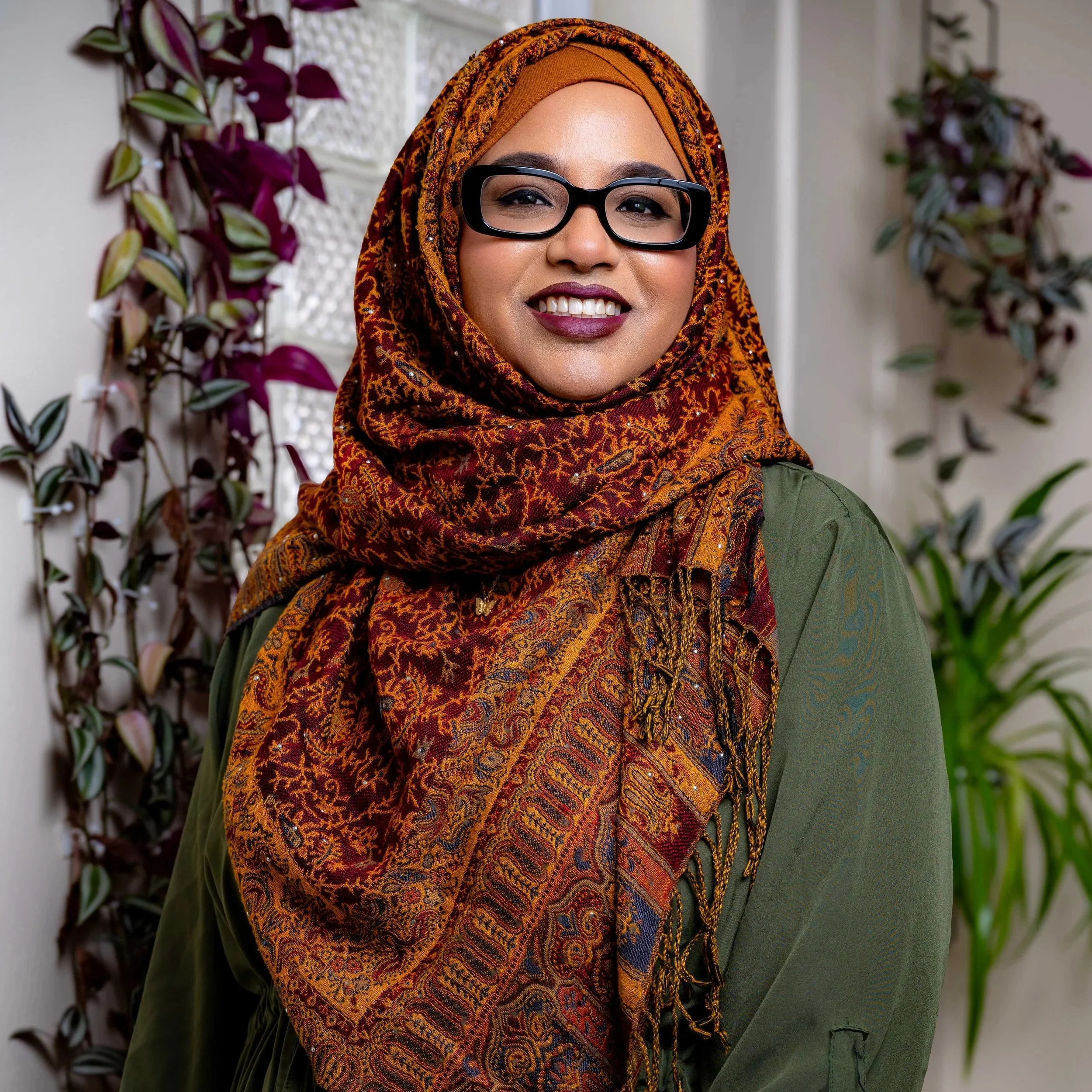
Namira Islam
Founder, CEO of NIA Weaving
Namira Islam (also known as Namira Islam Anani) is a descendent of liberation fighters from Bengal and the eldest daughter of genocide survivors and community builders. She integrates the precision of a lawyer, the imagination of a graphic designer, and the hope of a gardener in her work in human rights education, experience design, and liberatory coaching. She is the founder and CEO of NIA Weaving, a creative studio and design consultancy that threads intention into movements, moments, and environments.
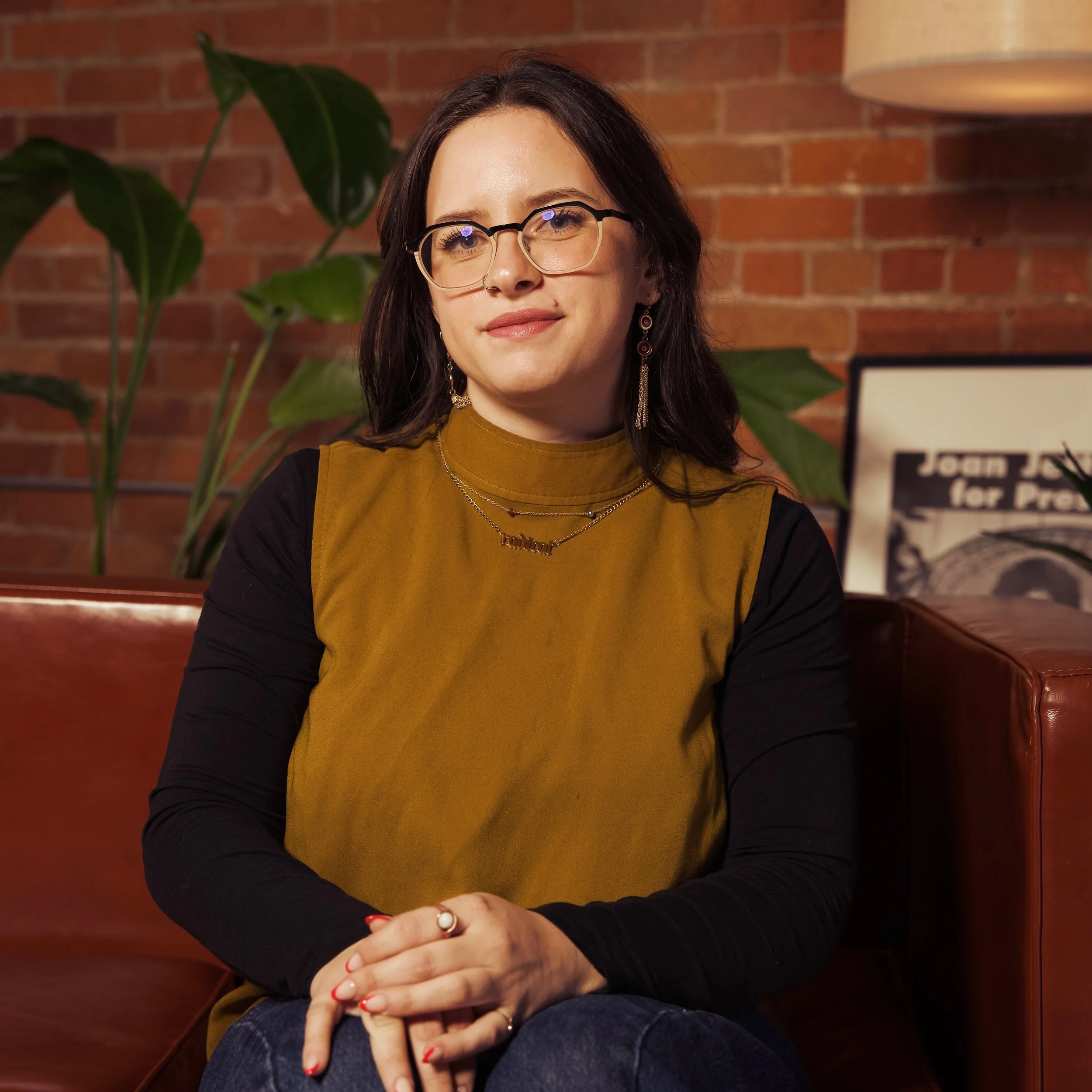
Shayla Zimmerman
Host, Producer
Shay is a Detroit-based community organizer, storyteller, and activist whose work centers community power, collective care, and everyday acts of resistance. From leading regional climate resilience and water justice initiatives to building grassroots emergency response efforts on Detroit’s East Side, she uses her platform to amplify grassroots voices.
full episode transcript
Shay: hey what up doe? I'm your host Shay and welcome to radicals for good. A podcast
about the quiet revolutions unfolding around us. We're here at Monarch Boulevard, a new community space for meetings, movements, and podcasts! Sending so much gratitude to them
for letting us use their space today for our conversation.
Radicals for Good is recorded on waawiiyaataanong, the lands of the Anishinaabe peoples whose presence and resistance continue today. Detroit is rooted in Black labor, Indigenous survival, and community love and protection. We acknowledge those whose resistance made and make our home and our people possible.
In this episode of radicals for good, we discuss how we inherit resistance through ancestors
and how we practice liberation without burning ourselves out. We also talk about how we can identify our ancestors and ways that we can connect to their legacies their practices and resilience. It's important for us to ask ourselves: where do we come from? who are our people? who instilled their values into us? and do those still work for our everyday lives?
I'm here with Namira Islam. Namira is a descendant of liberation fighters
from Bengal and the eldest daughter of genocide survivors and community builders. She integrates the precision of a lawyer, the imagination of a graphic designer and the hope of a gardener. She is the founder and CEO of NIA Weaving a creative studio and design consultancy that threads intention into movements, moments, and environments
Namira is my comrade, a comrade. She is a weaver in movement spaces and we all have a lot to learn from her. And when she's not building movements she's literally building a monarch waystation in her front yard.
Namira thank you so much for being here, I'm so excited that you're on this podcast and we're talking today.
Namira: thank you so much for having me. I'm so excited to be here.
Shay: so it's really clear that you come from a really long line of resistance ancestors. when you're making decisions about your life and your work whose voices feel closest to you? and who shows up in those moments?
Namira: I was really thinking about this question around ancestors and I think the beautiful thing about ancestors is that there are so many of them right. I think throughout one's lifetime, I think for my lifetime in particular, I've been walking with grief for a long time right. I had one grandparent who passed away before I was born so that story has been with me of losing somebody before I was born and I think different ancestors show up in different times of your life right. and so you can draw on different ones, different stories will seem relevant in different seasons of your life. I think right now in particular for this season of my life there's been three people in particular that have been coming up a little bit more frequently than usual. So two are genetically, biologically related to me but one I would say is like a movement ancestor and we'll talk more about that and what that means. But in particular so my mom's side, my mom's mom so especially in Bengali will say, A-Nani but especially more like a cutesy. Bengali does that as a language, so nanu, my nanu her name was, her nickname was Ruby but Sayeeda (Ruby) Khanam. She's been coming up a lot more, she passed when I was sixteen. And then my father so he passed when I was 27, Mohamed Islam, he's been coming up a lot more for me as well. It was 10 years last year for the anniversary of his passing. And then for a movement ancestors, somebody who was a mentor of mine, Mama Lila Capel, has been coming to mind quite a bit as well.
Shay: It sounds like you have a strong lineage shaped by colonial violence and resistance in Bengal, and now you're living here in Detroit, and building literal movements and moments. As you know our city is shaped by rebellion, it's shaped by struggle and resistance and resilience, where do you feel those histories echoing each other? And how do you see them echoing each other in your body and in your work?
Namira: I think like a lot of people, so what's interesting, especially about ancestors and lineage the fact that a lot of us have the complexities of that right so within my own lineage there's definitely resistance there's definitely rebellious spirits of all kinds right and libratory practice for sure. My grandmother in particular, so Ruby right was somebody who wanted to go into politics. She was somebody who especially for me right now like, moving into entrepreneurship for the first time in a very intentional way. I think I've been doing entrepreneurship in a lot of little ways but for the first time really leaning into that. She was somebody who I grew up knowing she was a seamstress right but I found out fairly recently that she actually had a business where she was working with 250 women right.
Shay: oh wow.
Namira: So I knew that she had a school where she was teaching other women how to sew and that's how they were having income right and teaching themselves like a skilled trade but it was 250 women that she was teaching how to sew and they actually were creating these garments right tablecloths all kinds of different things and they were exporting these things outside of Bangladesh. And so I didn't realize that there were not only just dozens of women but hundreds of women who were working with her. So that lineage was there and my father too right the history for him as well coming here to the United States and kind of leading into education he found a non profit before he passed away his intention with that as well was to break the cycle of poverty through education. There's a lot of rebellious kind of work and at the same time within my lineage there was collusion with oppressive forces too so that is also within that lineage as well and when I think about place especially geography and thinking about Bengal and the history of Bengal and then Detroit in particular and thinking about people like Mama Lila in the example I think there's a lot of choices that as individuals we all get to make right. I think when we're in systems surrounding us right we have ancestors to look at
we have people who are elders to look at and at the same time we also have stories and examples but we have our own kind of pathways, our journeys that we go through and the stories of the places that we're in as well and so what do we learn about the places that we're in, what do we learn about the history of Bengal, or the history of Detroit.
I think for myself like being born in Detroit. I was in Detroit until I was about two and a half and then moved out to the suburbs but my parents were very intentional about coming back to Detroit regularly my parents were also very intentional. My mom in particular about not losing access to language she used to say in particular our people died and fought for language in particular so no child of mine is gonna lose their language. And I think about Mama Lila and one of the phrases that she used to always say was that relationships are built at the speed of trust and movements are built at the speed of relationships. So this piece around relationship, it's relationship between people but it's also relationship with the land and relationship with history and relationship to movements right and so this piece is really important to me around what are those relationships with all the different parts of our lineage and all the different parts of good and bad right, of what's within our own histories.
Shay: I love that that's really beautiful.Do you feel like there's a relationship with Detroit and Dhaka?
Namira: Absolutely. Yeah Detroit to Dhaka. I think about that a lot. I mean my dad in particular so he stayed really in close relationship with a lot of his college friends in particular like they were the class of 1976 he graduated from BUET which is known as like the Harvard of Bangladesh so science and engineering kind of school but we grew up with a lot of like kids of that class right. but the thing that I noticed was that a lot of them ended up coming to Detroit but they didn't stay in Detroit they left they went to other states but he stayed and I found myself really thinking about that as to why he stayed and I think part of it was because of that connection with water. So Bangladesh is known as the land of rivers and I think Detroit and Michigan in particular being the Great Lakes State and then Detroit in particular with the river and things like that as well
I think when I first learned too of like waawiiyaatanong, being known as waawiiyaatanong one of the things I Learned fairly recently was that waawiiyaatanong actually Detroit, we are on the Detroit side of waawiiyaatanong, so waawiiyaatanong actually refers to both sides of the river and it's just interesting to me how like colonial constructs break apart Detroit that way where it's like oh yeah we're on you know we're in Detroit but it's really like this side of the river.
Shay: the Canada side is also very connected, it's all waawiiyaatanong, it's not all of it Windsor and Detroit right.
Namira: all of that, it's both sides of the river. Dhaka right, Bangladesh was also split and so just that history of thinking about partition and the ways that these artificial borders man made borders rightimpact place. I mean West Bengal and Bangladesh historically one kind of ethnic group of Bengalis being split by like religion split by nationality right that historic region of Bengal has been split over time but the culture is so strong and I think that history of literature and being on the water that history Bengal was known for literature, it's still known for literature. but textiles and just like a capital city, a port city. I think that history is there as well but also being known for like the literature and the music side of things. I think about the history of Motown I think about the history of just just a place for for gathering and for activism right that binds us. And so I just think about talking to Detroit in that connection
Shay: Absolutely. I love that I didn't know that about Bengal having that the waterways you know that connection. I remember hearing about like, severe flooding in Bangladesh a few years ago but I didn't make that connection that we have also experienced severe flooding in Detroit, you know just a couple years ago as well.
Namira: I think any connection and the art of like weaving that's been so much of my work in the last 15 years I would say but especially in the last like five to six. It's been a lot of weaving, there's been a lot of weaving of different parts of myself right. That's been some of the work is like parts of my own lineage, parts of myself right, I think parts of the movement geography right. The connections are not that distant, the world's not that big right. But really it's like when you start looking for those connections, you can spot them anywhere and I think right now the challenge especially as the world gets more and more kind of complicated or that the forces that are existing in the world are getting more and more violent and designed to kind of keep people apart and apart, it's gonna be more important for us to start weaving those connections tighter and tighter and just braid them together as much as we can.
Shay: I think too a lot of our listeners are probably new to the way that we're talking about ancestors can you talk a little bit more about like why do our movements go back to ancestors that again and again?
Namira: Ancestors I think for a lot of folks, can feel like something that is unnecessary or that is a luxury possibly like why are we looking back right. Why are we engaging in the storytelling or why do we need a pause to do this? I think that that framing of like a pause right is an opportunity one but I think there's also something that needs to be like a level setting around it so there's a few things around ancestors so one I think there's something around time that needs to be said because in a lot of movement space right there's urgency that comes up the way that we do movement building work where it's like constantly the go go go and to pause and to look back at you know who has come before us is seen as something that we don't have enough time to do. But I think time is often also held in a very like white supremacist construct right of it's done in a linear fashion when the reality is that we have so many different ways of looking at time and so when I think about ancestor work in particular it's held in that way that time is cyclical time is not just a linear kind of there's the past present and future right. Ancestor work to me, is really getting to recognize that ancestors are with us at all moments right as we're moving through life because they are within our DNA they're within our genes carry them with us in every moment. When we're getting to look at their lives, when we're getting to look at what they experienced and that they went through it is ever present because they went through so many similar dynamics that we're dealing with right now because systemic oppression has operated in very cyclical fashion right and so getting to look at the lives of ancestors is how we understand the present moment. So ancestor work is getting to look at the lives of those who have come before us, whether in our biological genetic ancestors or in movement ancestors, so in those who are from our own racial backgrounds, our own ethnic backgrounds, in you know
this the sector or like the industry that we're looking at, whether it's labor movement, or racial justice movements, or other kinds of movements right. Getting to look at the lives and experiences of those who've come before us, what they experienced, what they tried, what worked, what did not work, just their everyday lives right, getting to tell those stories and to sit with those, there is deep wisdom there, there is experiential learning there. It is not necessarily a pause in the sense of just luxury though there is deep luxuriousness in it, it is deep learning that is within it as well
Shay: hmm and I think sometimes I know for me as like a white person it can be really challenging to look at my lineage my genetic ancestors in a way that I feel is conducive to channeling them in my current work of racial justice right. It can be really tough and it can be harmful too and so I think for me like I have to separate um okay, like you're saying practices right, beliefs, values, what can I pull learn from them that is conducive to what I want the world to be in the future and leaving behind the practices and beliefs that were harmful and challenging them too.
Namira: I think for all of us like white or not, I think one of the things that's really important about even healing work for all of us is that healing can be sent back through generations too. I think for white folks and really anybody in the movement because even for myself right like I've mentioned that somebody in my lineage colluded with the British they were rewarded with property. My mom tells a story of going to visit and kind of when she was a child she didn't recognize this but as she got older people in the village had a kind of derogatory nickname for this elder in her family and it was because they had colluded with the British and been rewarded with property. When you really think about colonization I mean how else could somebody who is thousands of miles an ocean away actually exert force over a population without actually
partnering with people from within that community right and that is a pattern that we see all the time. so when we really think about collective liberation, co-liberation, every single person within a space has the ability to enact oppression right and collude with oppressive forces. I think the sooner that all of us recognize that the easier it is to then recognize that all of us have work to do right. I think for white folks in particular though what I will say is that that kind of healing work, the healing journey, similar to this piece around time recognizing that this can also be sent back right. This piece around if this is within my lineage recognizing that people did collude right with oppressive force, what are the systems that led to that, what choices did come out of that, why. That kind of community agreement that is being harsh on systems, gentle on people, what does that look like, what does that mean. If we can practice that for our own ancestors, how do we practice that in real life right now, and making sure that we're not dehumanizing even our own ancestors. How do we then have that kind of race but then also understanding and it's like a specific analysis right. It's like a compassionate analysis for ourselves being able to do that for ourselves means also like a deep level of love for your own self right because you are able to then place like your own lineage in its context and then be able to decide what to do with it going forward. I always say that for somebody within and this probably I think I know this came from like a Tumblr meme somewhere along the lines.
Shay: but we love Tumblr Tumblr's great right
Namira: I mean it was a Tumblr meme but I think it says something about the fact that like your lineage was waiting for somebody to be able to do this work, paraphrase I can't remember exactly what it said but the fact is that for somebody, especially whether white or not but especially for white folks who are doing this work think about what it took right for you to be able to be that person within your lineage to pause and do that work
to disrupt to make sure that anybody going forward, InshaAllah, is gonna be doing something different. If we don't hold time as linear that has reverberations throughout this entire lineage now right and so especially when we think about it from the Islamic faith too. there are three things that continue on in the grave right that to benefit somebody who is passed on and one of them is the deeds of a descendant and so just thinking about like
what can happen when somebody who is coming down the lineage is doing something to send deeds back. Like good deeds right, to be able to do justice, to be able to do good deeds forward, like what is more radical than that?
Shay: that's a word that's a word. I have like chills right now sorry I'm trying to like settle in that.
Namira: It sits in the body and this work really at the end of the day it is our full body it is sitting within what we need to be holding not just like intellectually but it's deeply heart work it's soul work as well.
Shay: Absolutely. I think it can feel a little daunting too,I remember being in the Detroit Equity Action Lab fellowship with you specifically and we were talking about ancestors and connecting and I it feels daunting to be like okay well now I need to learn about my ancestors when that's not something that we talked about growing up how would someone go about learning about either their ancestors genetically or learning about their ancestors
their movement ancestors like you're talking about too.
Namira: Yeah ancestor work can seem very like wait what. like especially if you've never done it before I think for myself even there's been a I won't even say it's a slow journey it's been a progressive journey on that path I think for ancestor work don't let the name throw you right if you've never done it before or begin to I think label what you're already doing. Possibly in terms of this as ancestor work I think part of it is one like
storytelling is a huge part of this taking the spaces that you already have in your life to be able to ask more specific questions so for example when you do have time with family members and again recognizing that not everybody has access to this right and so I think for those who do have access to like biological genetic right spaces where they can ask family members um and it's safe to do so it is comfortable to do so to be able to ask things that are a little bit different. Where it's like you're with family members and you can ask a little bit more about like so tell me about you know so and So's childhood growing up what did they read what did they learn about how did they learn about their identity or how did they learn about different identities things like that I remember asking my mom about just learning about different like racial groups right those type of questions or asking about who their first friend of a different racial background was those aren't things that automatically come up. They may come up in conversation but to ask like very specific questions like that you can ask about books in the library right you can ask about specific migration stories. That's always like an interesting story too and there may be stories of trauma within it so just be careful and recognize that this may be like a slow journey as well that you don't just like sit there and interrogate somebody right but again building the relationship a little bit differently and to just ask certain stories to be curious about people's lives like so how did son so get there or where did son so travel just to be able to ask about people's timelines to be able to create that timeline throughout somebody's life to ask those type of questions.
I think the other way though for especially movement ancestors is to be able to read a little bit more so especially these autobiographies are great especially in somebody's own words to really seek out memoirs or journals are a really great way podcasts interviews audio recordings YouTube videos. I really actually love I know Malcolm X was somebody who I often was one of the early especially during law school I found myself listening a lot to like Malcolm X's interviews on like talk shows in particular so I remember I re read his autobiography but then in particular he just had such a like humorous way you cannot help but smile. Listening to him on talk shows sometimes and so for him in particular there was something about just listening to his talk show interviews that I found myself really just listening to Malcolm X a bit during law school.
Shay: That can be lost too in his autobiography a little bit like that humor and so I think it's nice to pair the two.
Namira: and it's those ways of being sometimes that you lose when it's just about like the written word and so recognizing those are the stories too. If you do get to talk to somebody who knew somebody, Mama Lila and I remember one of the things that she first it was actually after because Mama Lila and I met in DEAL 3 when I was a fellow a year after. When she sat down at one point and she goes so who in your family was doing liberation work and I was like I don't know like my parents maybe. She's like no no no no like somebody else is doing like specifically liberation work and I was like and so it turned out, she felt it and I then mentioned that it was my grandmother's cousin who basically was doing like revolution work in Bangladesh before Bangladesh became Bangladesh and then she just reflected back she's like. So what are the chances that basically a relative of a descendant of somebody who was leading the revolution in Bengal what became Bangladesh and a friend of Rosa Parks are sitting here in one room together in Detroit only in the United States could that happen right and I remember sitting there and just really thinking like SubhanAllah like what are the chances right. Both of us were were coming at it from such a faith based perspective and just really sitting there and thinking about that like there is a deep spiritual element to ancestor work and being able to reflect on the fact that you are holding space for it's not just the two of you sitting in that room
and I think that's what I really appreciate and really want people to understand about ancestor work that the more you understand who your own ancestors are and who you are coming into a room with, it is not just the two of you sitting there, you are bringing in entire lineages and that means you are bringing in continents worth of movement history with you. When you are coming into an organizing space, when you are coming into any kind of meeting and any kind of action oriented space.
Shay: I'm curious what your practices are when it comes to sustaining yourself. Because a lot of our listeners are new to movement work right or new or like they're just they have the spark going you know, they want to join a movement we have to sustain ourselves first and foremost like that's something I think we learn as we're doing it, what practices do you have to sustain yourself.
Namira: I think my practices are hard one because sustainability was definitely not top of mind when I first started this work I think one of the most valuable things I've learned is about nervous system management throughout this work one of the things that I, LaShanna Sugg is the person who I really Learned this through is for nervous system grounding is to ground in the five senses. And so grounding in the five senses as a way to like really keep your nervous system in like that nice little grounded zone so you're not like either in your kind of freeze or where you are completely frozen and out of it right or you're not like fighter flight you know kind of space with that I think making sure that I am either taking a bath or just with water somehow like grounding in what the five elements right so grounding in nature when the weather is nice to be able to put my feet in the grass for at least 20 minutes so there's like literally electromagnetic frequencies that go through your body when you are putting your feet in the grass.
Shay: Or the snow I have a friend that will really yeah she will put her feet in the snow for just a few minutes but it really grounds her nervous system.
Namira: Yes good for her I will not try that but good for her that is amazing. I also will make sure especially lately I've been holding on to like stones or gemstones or like crystals or even a rock there's rocks that I've picked up at the beach or things like that during certain meetings or just like sometimes I'm sitting at my desk like I'll just make sure to hold on to that. But especially like hydration or different things like that like making sure just with water but I would say there's certain things that you can do on your own right but especially for somebody starting out. I think the work like movement work activism organizing one of the things to break that is really important is that we start out the work at least I know I did from that very like white supremacy culture thing of like I'm the only one I need to do this by myself and so it's very important to have either a coach or a therapist or advisors. I mean I've even called it like your cabinet right from like the presidential mindset of having your cabinet of advisors right but just having people around you. I know for myself like I've had a liberatory coach that I've worked with for literally over 10 years now where it's like every week like clockwork I work with this person to make sure I have my session things like that I think it's really critical to make sure that you are tending to your body in the work whether or not it's journaling making sure you're getting up to eat sleeping right naps are critical. I mean I have sessions for like acupuncture massage um
I know folks who do reiki and other things as well so things like that.
Shay: I think for me too it's like meditation is also really helpful and I actually have a book here called love and rage where a Buddhist teacher Lama Rod Owens, he's incredible, and he teaches a seven homecomings practice and one of the homecomings are actually ancestors and grounding yourself and meditating on who your ancestors are and what you want to learn from them.
Namira: Beautiful. I think something like meditation and then mindfulness practice right honestly I used to scoff at my mindfulness practice. I'm like really you know um because it felt very like fluffy and just kind of it felt very devoid of like systemic grounding and then I know one of the mindfulness practices that I then listened to it was a loving kindness practice from Tita Angangco and in it she then grounded it in kind of like a racial equity analysis and she made sure to send love and kindness practice to folks in particular from like an equity standpoint so she named like our black and brown brothers and sisters. she named people who are more directly impacted by the covid pandemic. And I remember thinking about that I'm like wow so much of mindfulness practice when you don't bring in racial injustice you don't bring in identity that's what I was missing from some of the mindfulness practices that I was hearing so I really appreciate it when you can find you know yoga practice or Qi gong or other practices that are coming from like folks of color or that are coming and grounding in you know spiritual practices or physical mind and body practice that is also bringing in like what is going on in the world.
And so especially even for like Islamic right as I'm thinking about like my own religious practice over the years I mean when I do like ablution nowadays or wudu, if I'm thinking about how much water before prayer yeah, like washing before prayer. I mean if I think about things from more of like how much water am I using right, think about the time of prayer but if I'm thinking about it more from just like. Before it was like oh yeah the time for prayer hit right and it's like your adhan app, your alarm went off. Versus now I'm like oh yeah the sun is in a certain position in the sky right and the moon is in a certain position if I'm thinking about that more from like a environmental stand right now and I'm thinking more about like what is my connection to the earth and the solar system right now. As a child I would have been like oh people are gonna think I'm weird right
what the Muslims are paying attention to the sun and the moon right like wait what and then now I'm like actually yes like we are in touch with what is going on with the natural world right now and that is part of my practice as like a Muslim and that is important to me right now so even just with that like being in touch with what is happening physically around us the world and where things are going right now is designed to keep you as much away from being present as much as possible.
Shay: You're talking about environmental and I can't stop looking outside at your waystation, I know it's covered in snow right now, tell me about that, you're literally building a Monarch Way station you have a Monarch Way station in your front yard. Can you talk about what that means to you spiritually, ancestrally, just means to you as a person.
Namira: Yeah my parents were both into gardening, my mom has at this point I don't even know how many plants she has to have at least like 70 plants in her house but my dad was also very much into gardening as well. The Monarch Way station is in its infancy so it is building still right I often talk about this story where basically I had the milkweed, the common milkweed, that was sprouting in the front yard and I kept plucking it I kept just taking it out of the ground because it was growing and I didn't like it I didn't like how it looked and then last year for the first time I was looking at it and I'm like you know whatlet me look into this a little bit more. And similarly again to what I was saying about like be present with what is there and be more intentional about like what is present right so I was like okay let me look at this become a little bit more like, what is it all about, what is important about this, what happens if I let it grow. And I found out that common milkweed is the only plant that monarch butterflies actually can eat and it is what they actually lay eggs on and it is how caterpillars like what they need to actually grow no other animals can actually eat it so it is poisonous to other types of animals. And so I was like okay you know what this year I'm gonna let this grow, I was reading online and apparently a lot of folks one struggle to have milkweed grow in their yard it actually grows like the system is underground and so if you have like shoots of milkweed coming up you should just let it grow because it actually is like forming underground. People are like OK yes like milkweed coming up in your yard is great, you probably shouldn't expect any butterflies your first year though cause they don't always find it so monarch butterflies go on a whole migration throughout all of North America so all of Turtle Island right from Mexico to Canada, um they may not find it your first year. Last year I was having a hard time right so I was just kind of like absent mindedly going in and out of my front door and I saw something like kind of fluttering out of the corner of my eye and I was like wait let me just pause for a second here and I paused and looked and they're actually pretty big the wingspan of a monarch butterfly is like five to six inches across and I look and it's a monarch butterfly. oh it found me. And then as like the season kept going more milkweed kind of the flowers are pretty beautiful I didn't ever let it grow to to the point where it was actually flowering, they smell really nice, and I had more butterflies visit. I had caterpillars this time around, I didn't actually see any like successfully get into chrysalis so they may have I might not have been able to see it but I had neighbors actually send me videos of monarchs in their gardens which was beautiful and right now. The way station you need a few specific things in order to be qualified as a way station so I was able to get certified because I had those things and I think part of it is just also the intentionality behind like what is possible in fine art right you don't actually need a lot of space, you don't need a lot of specialized equipment but to be able to create a sanctuary for butterflies as they complete their journey right.
I recently learned too that it's actually not just one butterfly that makes it throughout that entire journey it is actually generations of one butterfly I Learned this from Alejandro who was a photographer at the NIA Weaving launch and he was sharing that he learned this recently that one monarch butterfly actually stops at a way station, lays the eggs right, that caterpillar then somehow retains in its genetic memory the same path that the first butterfly was on to then make it to the next way station to stop and that one lineage of the one generation by generation will make it on that one journey which just completely blew my mind.
Shay: How does tending to something so cyclical connect to liberation?
Namira: Hope is a discipline right. I mean Mariame Kaba whose book is here right 'we do this till we free us' she relayed that saying and I remember thinking I never really appreciated that idea of of hope right within movement space because it always felt like toxic positivity to me until I heard that saying like hope is a discipline. It takes muscle it takes a level of rigidity to it because ultimately when we're doing this work
you have to stay on it and you have to stay with principle in it regardless of what other people are doing like you are in it for your values. You're in it because you see an end goal, you're in it because this work is seven generations, so the Haudenosaunee kind of principle of seven generations back seven generations forward. There's some level of abstract thinking that you are grounding in because this is beyond one relationship fracturing
this is beyond somebody betrayed me and I don't want to do this anymore right this is beyond hey this person from this background insulted me and therefore I no longer am an ally ship with this person. It's beyond oh this action I'm not seeing a good outcome from it so I'm not gonna do this anymore. Hope is a discipline and so this idea of okay the monarch way station right regardless of if I see the chrysalis, if I'm here or not right, if I happen to see a monarch butterfly or not right. I'm not gonna be able to sit there 24 7 and watch what happens right like but I'm still gonna do the thing. It's beyond the immediate reward, it's beyond the immediate gratification right, it's for something deeper and so for people to find like their own purpose within it. And to be able to find like, what is your specific reason for doing something people have to find that for themselves and it can't be within another person cause we're all imperfect. Being able to do that work, we do this until we free us right, we keep doing it and ultimately reminds us, reminds me, of like this idea of planting and gardening that aspect of hope. There's a saying of the Prophet peace be upon him that if the day of judgment were tomorrow and you had in your hand a seed, plant the seed. And it goes to that idea of literally the world could fall apart tomorrow and you could know that you could know that like the mountains are gonna be in smithereens, the sky could literally fall tomorrow and there's this seed, nothing's gonna happen to it tomorrow you could know that and yet if you it's in your hand you still plant it because the actions are by intention right. And so for us then if that's the case like what are we choosing to do today, what are we choosing today with the actions that we have, with the resources that we have and I think when we have that in mind looking back at the choices that our ancestors make whether it's because of fear, whether it's because of scarcity mindset sometimes they do the best with what they can. Sometimes they make horrible choices with what they have right knowing all of that we choose to do with what we have right the best that we can.
Shay: I told everyone. I told everyone we had so much to learn from you and I'm even learning while we're sitting here so thank you for that and one question for you one last one, what does it mean to live a radical life.
Namira: I think about the word radical which you've talked about and I really appreciate the way that you ground and frame it because I think it's very needed. I used to make jokes sometimes about what radicalizing me and I always talk about law school and then nobody laughs and I'm like OK, people aren't up there yet. To live radically uh after they put the the word at the root right and so especially to be radical is to go back to the root of things and so what does it mean to be back at the ground especially now like living intentionally going back to like the root of things. I think there's something about living simply, I don't know, there's just something that's coming up about that because especially nowadays everything just feels so complicated all the time and so what does it mean to like live at the root. Especially when it comes to what we eat, what we put into our bodies, how we choose to relate to other people, like it should not be this complicated and I think I'm really tired of the like gymnastics that happen all the time. We can't, we should be able to exercise our muscles around that but we shouldn't have to and I think sometimes there's an overdoing that happens when we try to control what other people do all the time so there's something about like living radically is also to take radical responsibility for ourselves and release it when it comes to other people let them do what they're doing. I'm gonna do what I gotta do, they're gonna do them. Let me take care of myself, let me create space for other people take care of themselves um, protect ourselves yes and make sure that when it comes to other people like let them do them.
Shay: thank you so much for being here.
Namira: thank you so much for having me
Shay: yeah it was lovely and so two things that we came up with together is, first we love if you could donate to Dream of Detroit, um and you know what Namira could you actually talk about D ream of Detroit a little bit.
Namira: Dream of Detroit is my neighborhood nonprofit, Dream of Detroit is combining housing and neighborhood revitalization with community organizing so dream has been working on the west side of Detroitfor a number of years now over a decade. Right now the newest and latest campaign Dream Detroit also has like a community land trust which is just such a beautiful way of really ensure that at the root that our neighborhoods are grounded in resident led organizing right. But the latest initiative that I am very excited about is the Dream Center and so to make sure that there is a community led uh place and home for dream in my neighborhood um so I'd really love for people to be able to to support that initiative.
Shay: And two so we have we'd encourage our listeners to find a liberatory ancestor, learn about them ,figure out what values align you with them, you can try asking yourselves, what did you learn from them, what can you learn from them, what did their resistance look like, what are ways that you can practice that. I think you shared actually a great way for folks to start that journey with their ancestors and finding them out and then also we've linked an an article by you called '16 questions I wish I asked my dad' in the show notes to help guide our listeners as well questions.
Namira: My dad passed when he was 63 years old many things that as I've gotten older I wish I could have spent more time asking him so that article has these questions about kind of his own journey especially to the United States things that actually surprisingly I got answers to some of them through his friends and through other ways which ancestor work you will find yourself finding answers through ways that you might not expect right
as you embark on that journey. So I hope that other people who do you know find themselves grieving that they may not have as much access as they wish just trust that you may end up getting more access than you may anticipate in different ways so this this article does have some some different question prompts and things like that to consider if you are struggling to find some good questions.
Shay: thank you Namira and um thank you to all of our listeners for making space with us today. And always remember that the revolution may not always be televised but it's likely in your own backyard or front yard and likely within yourself. I wanted to send deep gratitude to Daniel, our music producer Ria and Jonah at Penny Detroit, Janae and Jordan my thought partners, Namira our guest today, and all my other co-liberators for helping bring radicals for good to life. Peace and blessings!
sources & further learning
https://geezmagazine.org/magazine/article/waawiyatanong-land-acknowledgement
https://medium.com/@niawrites/16-questions-i-wish-i-had-asked-my-immigrant-father-214570fe1e44 (please email hey@radicalsforgood.com for a friend link)
https://pixabay.com/photos/skyline-river-water-detroit-8061846/
https://medium.com/dsa-detroit-newspaper/waawiyatanong-resists-43f4d7806c1c
https://www.aljazeera.com/opinions/2018/12/19/how-britain-stole-45-trillion-from-india
https://www.mindful.org/a-6-minute-loving-kindness-meditation-to-expand-your-awareness/
Video by SimplyArt4794: https://www.pexels.com/video/close-up-video-of-butterflies-7787029/
Becoming Good Ancestors by David Ehrenfeld
We Do This Until We Free Us by Mariame Kaba
Love and Rage by Lama Rod Owens
The Autobiography of Malcolm X by Alex Haley
